
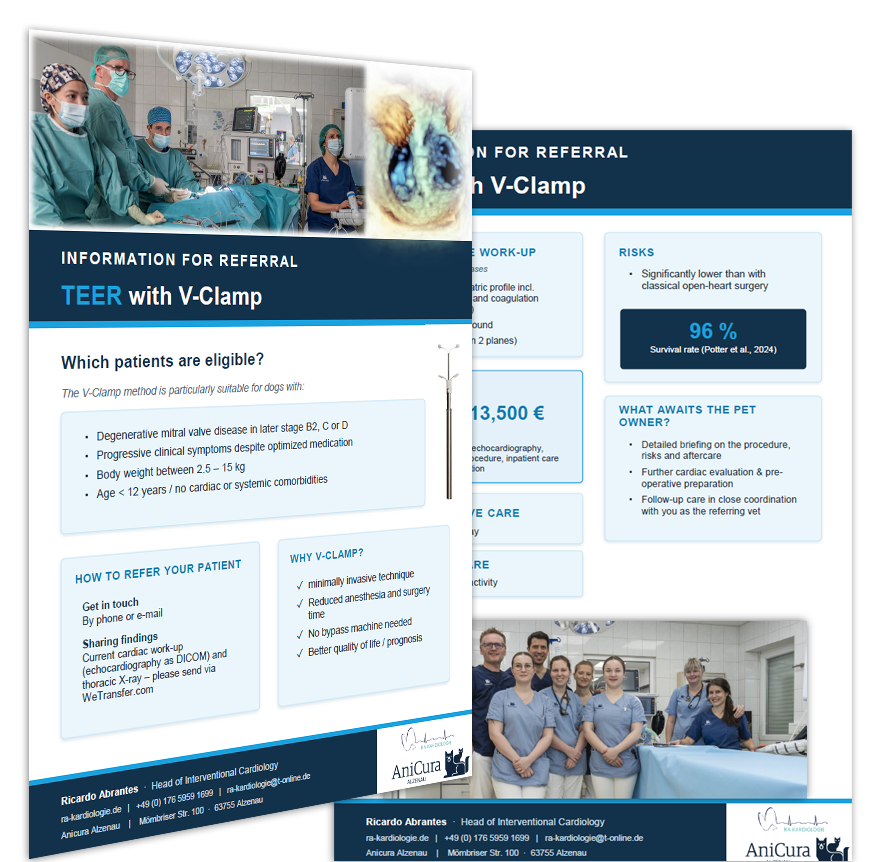
Minimally Invasive Mitral Valve Repair with the V-Clamp System
Degenerative mitral valve disease (MVD) is the most common acquired heart disease in dogs. When significant mitral regurgitation (MR) develops, medical therapy alone may no longer sufficiently control clinical signs.
At AniCura Alzenau, we offer a minimally invasive interventional treatment option: Transcatheter Edge-to-Edge Repair (TEER) using the V-Clamp system.
This advanced procedure is designed to reduce mitral regurgitation, improve cardiac function, and enhance your dog’s quality of life as well as life expectancy.
What Is the TEER Surgery?
The Transcatheter Edge-to-Edge Repair (TEER) procedure is a minimally invasive mitral valve repair technique.
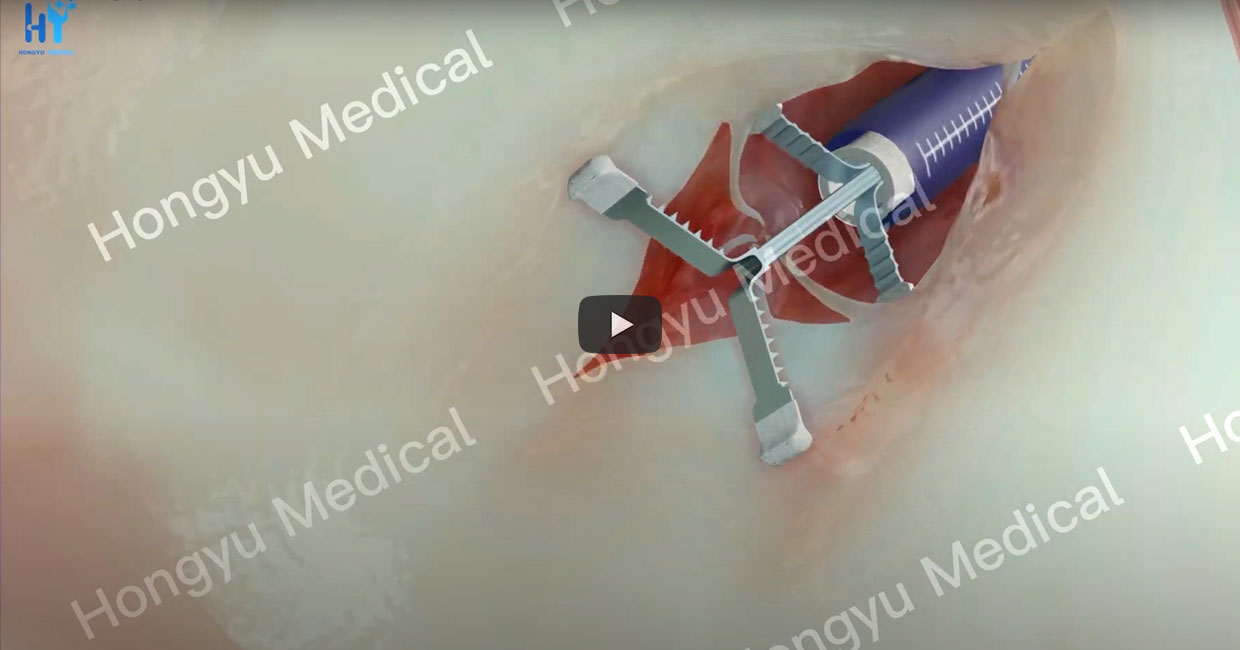
Using a catheter-based delivery system, the V-Clamp device is positioned at the mitral valve to approximate the anterior and posterior leaflets. This improves leaflet coaptation during systole and reduces backward blood flow into the left atrium.
Key Features
- Minimally invasive (small thoracic incision approx. 3–4 cm)
- Transapical access via limited minithoracotomy
- Performed under general anesthesia
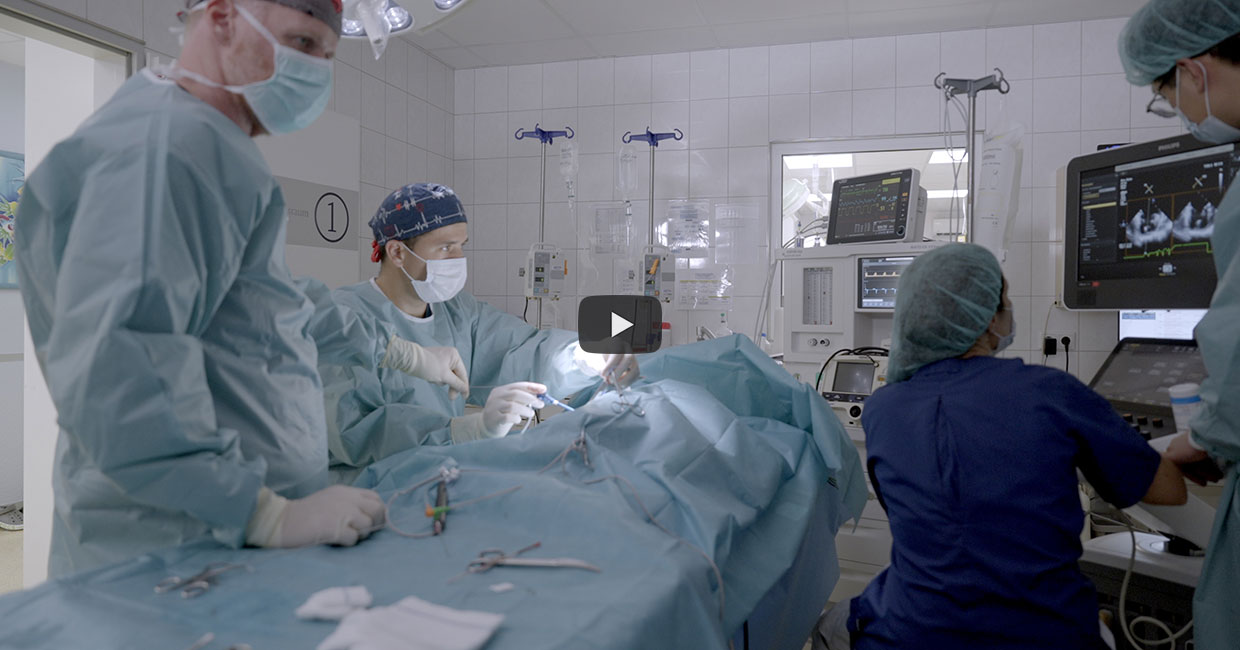
- Real-time 3D transesophageal echocardiographic guidance
- No open-heart surgery required
The procedure creates a controlled double-orifice valve configuration, significantly decreasing regurgitant volume.
Which Dogs May Benefit?
The TEER procedure may be considered in dogs with:
- Severe mitral regurgitation
- Clinical signs despite optimized medical therapy
- Suitable mitral valve anatomy confirmed by echocardiography
Each patient undergoes a detailed preoperative assessment to determine candidacy for the procedure.
Diagnostic Work-Up Before the Procedure
Prior to intervention, we perform a comprehensive cardiac evaluation, including:
- Transthoracic echocardiography
- Transesophageal echocardiography (TEE)
- Thoracic radiographs
- Complete bloodwork (hematology & biochemistry)
This allows precise assessment of:
- Severity of mitral regurgitation
- Cardiac chamber enlargement
- Valve morphology
- Overall anesthetic risk
How the Procedure Is Performed
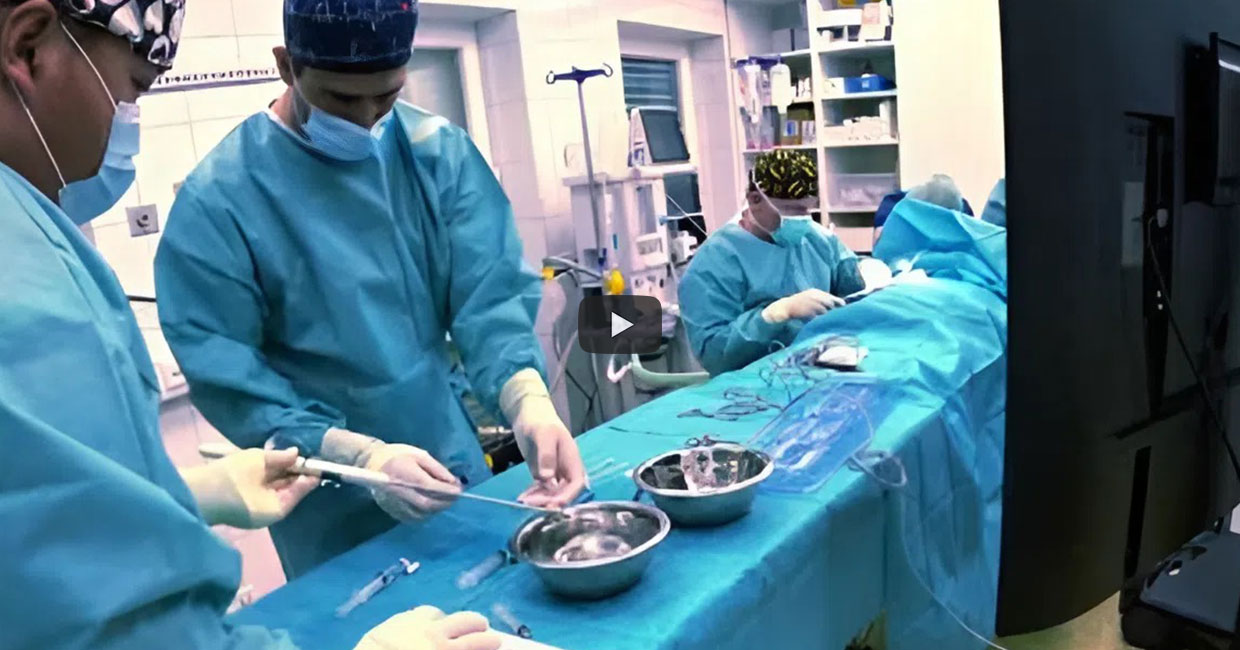
1. Anesthesia & Surgical Access: Under general anesthesia, a small left-sided minithoracotomy is performed to access the cardiac apex.
2. Catheter-Guided Device Placement: Using real-time 3D echocardiographic guidance, the V-Clamp is positioned at the site of maximal mitral regurgitation.
3. Deployment: After confirmation of optimal leaflet grasping and sufficient reduction of mitral regurgitation, the device is released and secured.
Typical hospitalization time: Approximately 48 hours, depending on recovery.
Benefits of TEER in Dogs
The primary goals of the procedure are:
- Significant reduction of mitral regurgitation
- Decreased cardiac volume overload
- Reduced cardiac workload
- Improved exercise tolerance
- Enhanced quality of life
- Extension of survival time
In many cases, long-term cardiac medication dosages can be reduced or even discontinued.
Risks and Possible Complications
As with any cardiac intervention, potential risks include:
- Local bleeding
- Device malposition
- Arrhythmias
- Thromboembolic events
- Infection
- Rarely: device failure
Published clinical data indicate a procedural survival rate of approximately 96%. All risks are discussed thoroughly during consultation.
Aftercare & Recovery
Strict activity restriction is required for 2–4 weeks:
- No jumping
- No stair climbing
- Short leash walks only
Follow-up examinations are essential and typically scheduled at:
- 1 week
- 1 month
- 3 months
Owners should contact us immediately if signs such as breathing difficulty, weakness, appetite loss, or lethargy occur.
Referral Information for Veterinarians
We welcome referrals for interventional cardiology assessment.
Please submit:
- Complete medical history
- Physical examination findings
- Echocardiographic studies (DICOM)
- Additional diagnostic results
Large files can be transferred securely via file-sharing platforms (e.g. WeTransfer).
After review of all documentation, a consultation and procedure date will be scheduled.
Important Medical Notice
Acute systemic illnesses are contraindications for elective cardiac intervention, including:
- Fever
- Active infection
- Gastrointestinal disease
- Urinary tract infection
- Recent trauma
If such conditions occur prior to the scheduled procedure, the intervention must be postponed.
Surgical videos – mitral valve insufficiency in dogs
Impressions of the TEER procedure using the V-Clamp
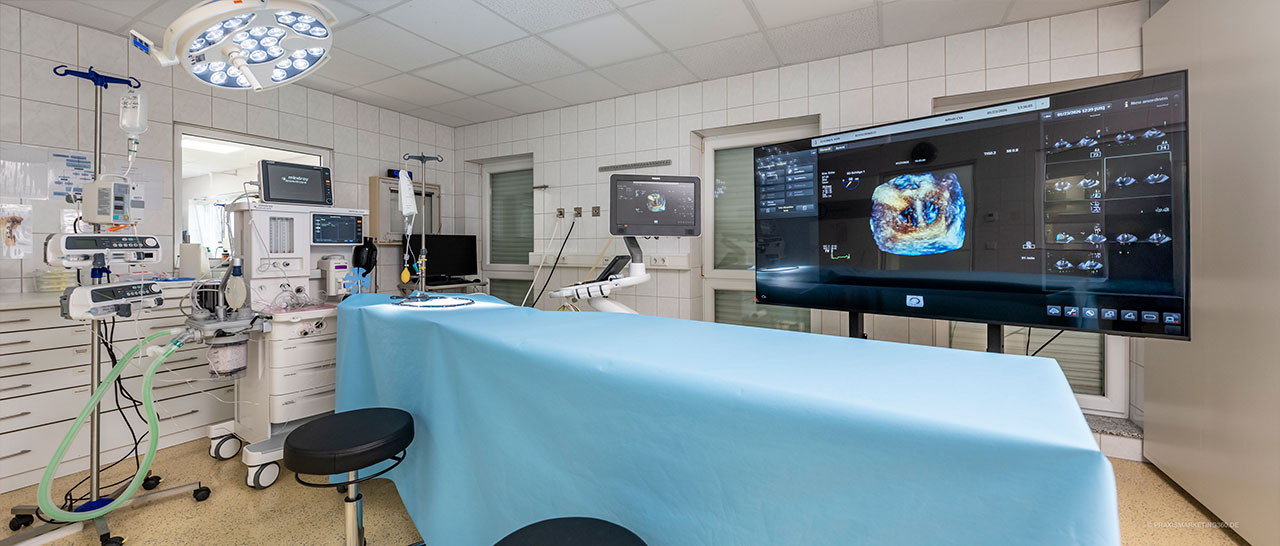
-
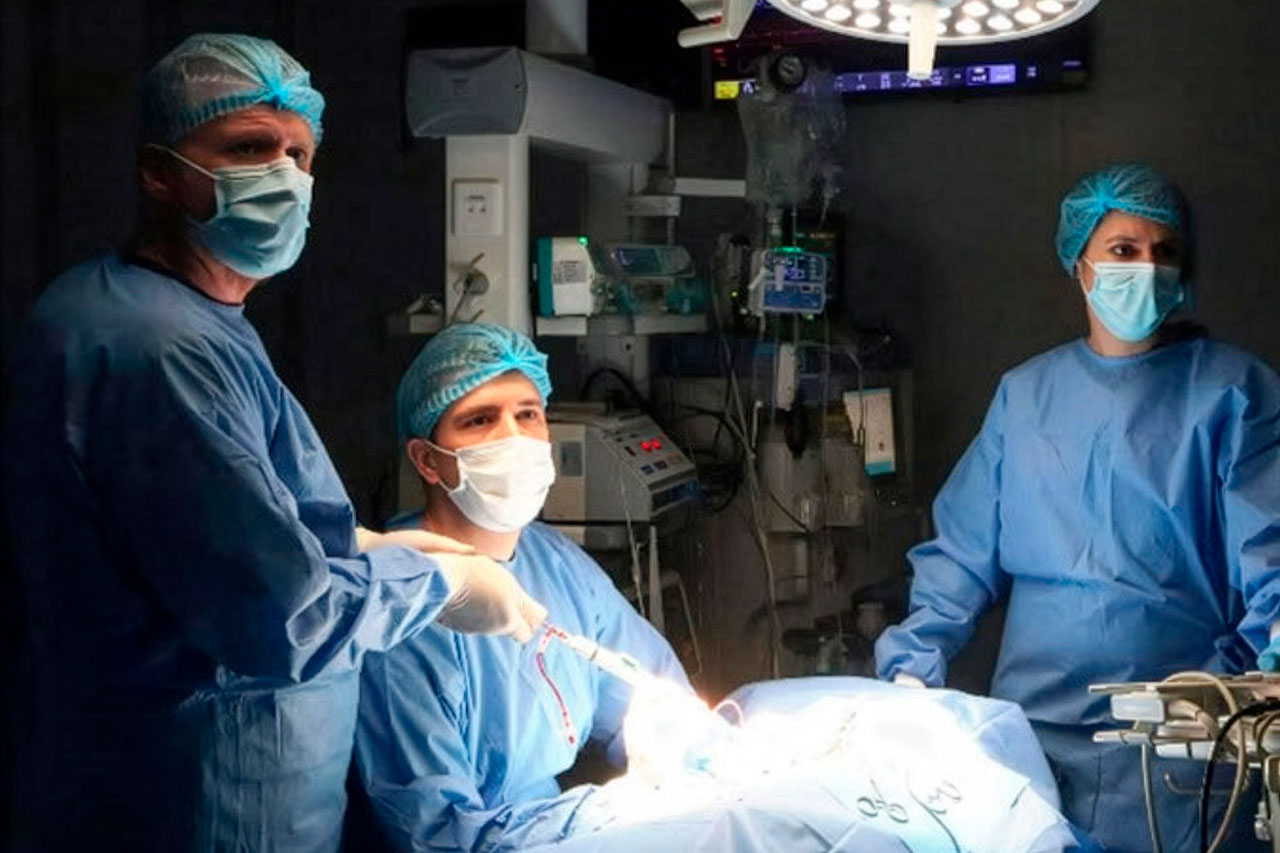
- Our V-Clamp team
-
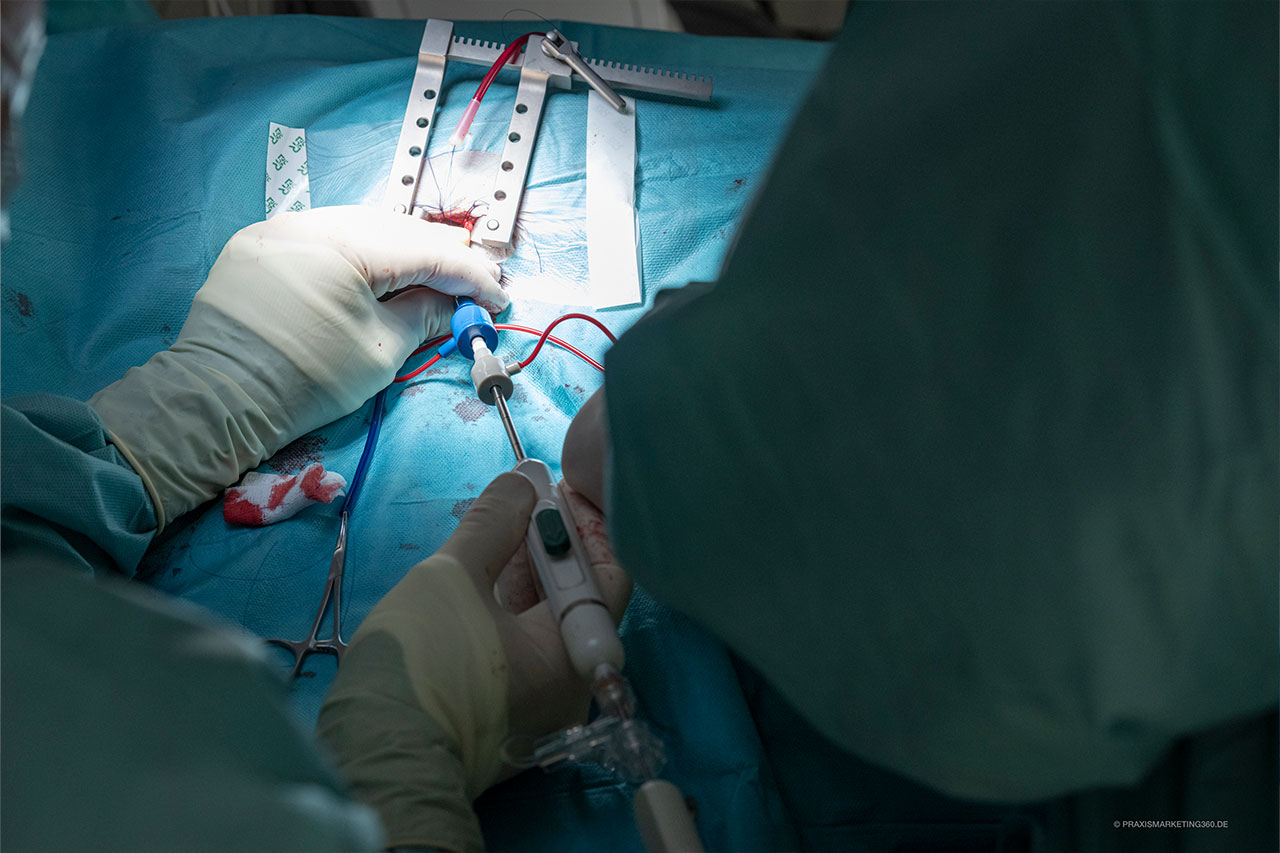
- Positioning of the delivery system
-

- 3D cardiac ultrasound examination
-
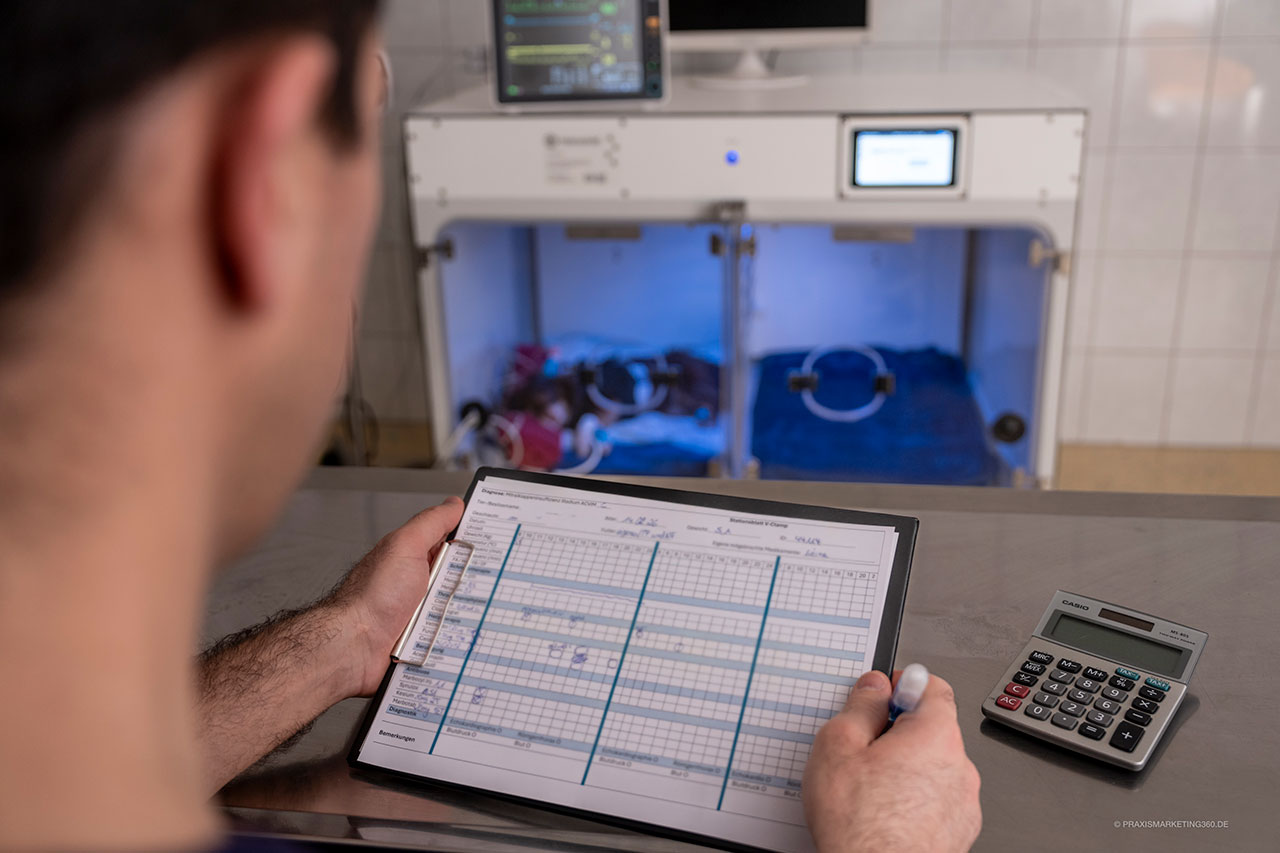
- Continuous and intensive monitoring
-
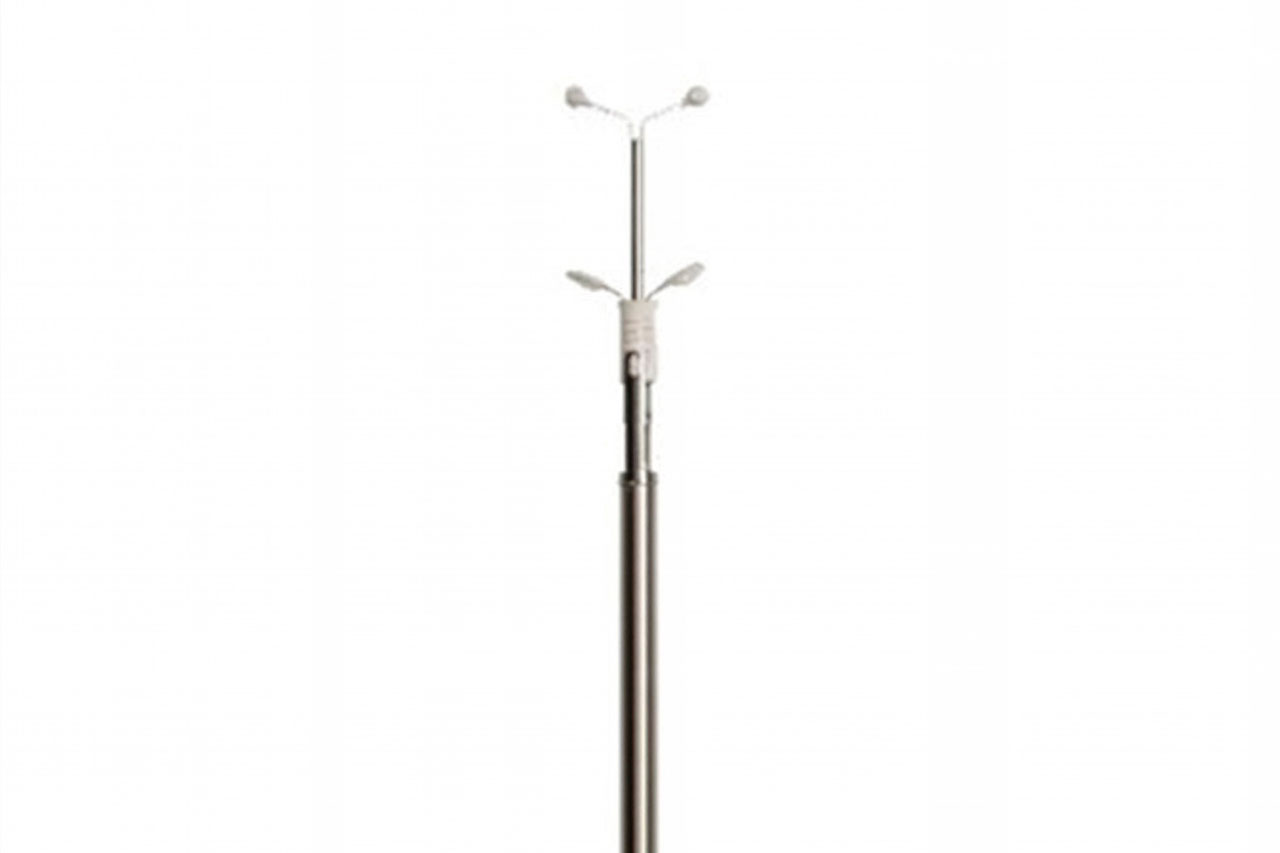
- V-Clamp
-
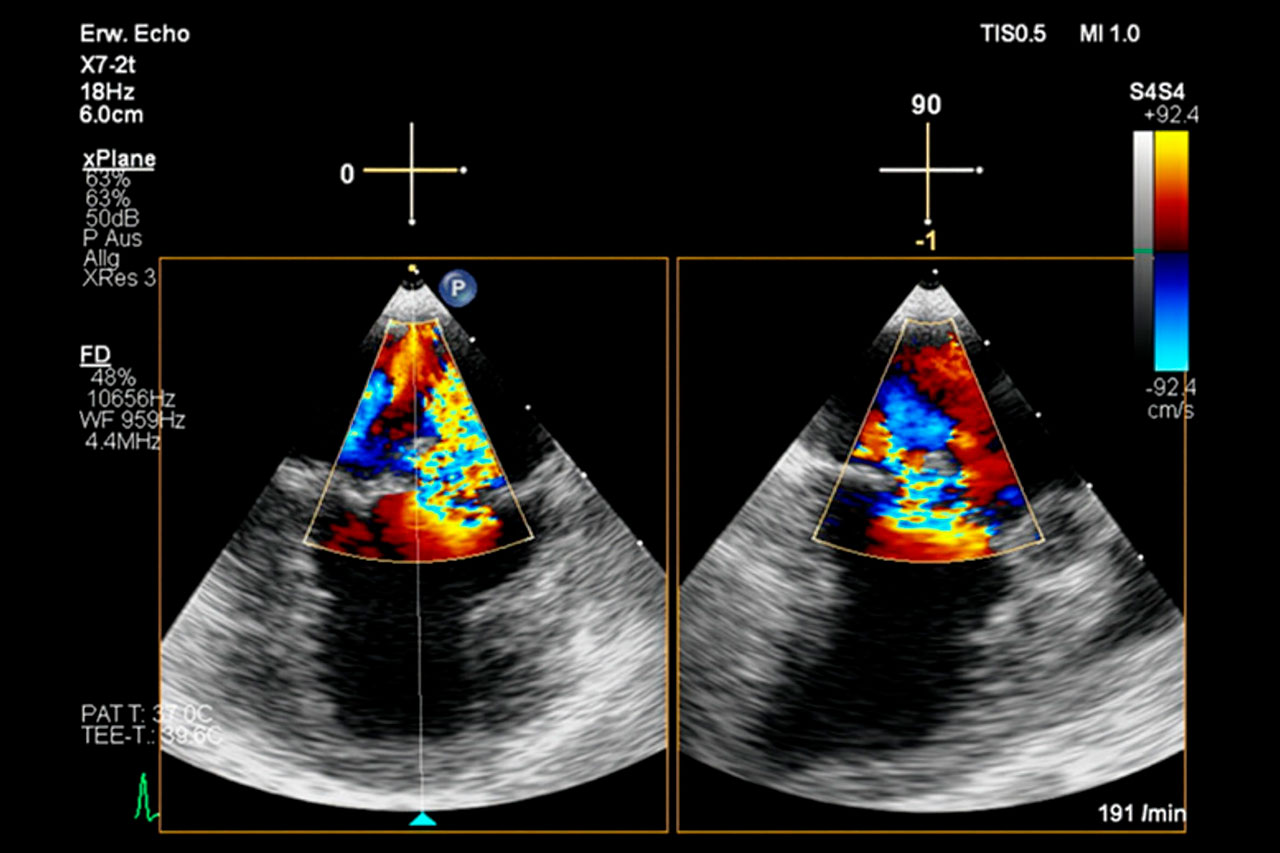
- Transesophageal echocardiography
-
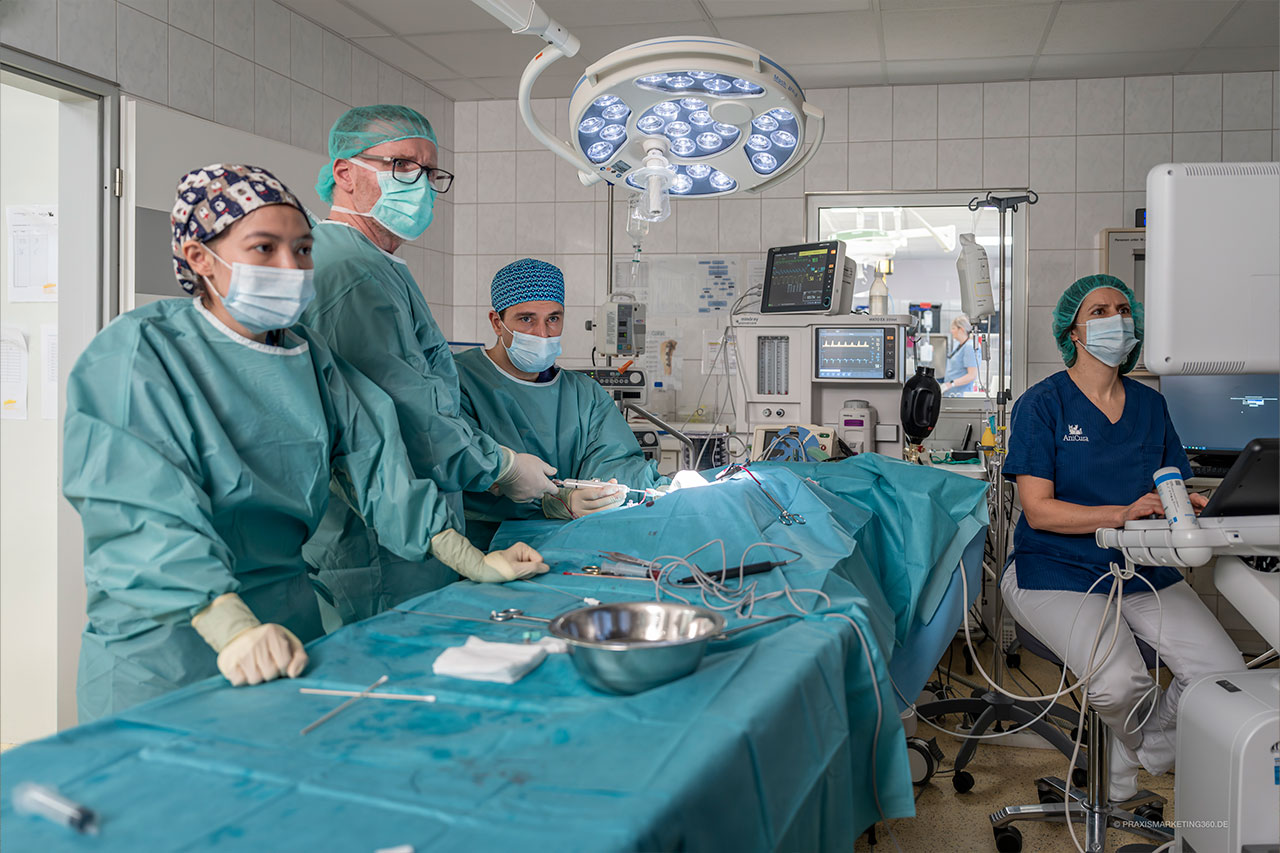
- Surgical team during a TEER procedure
-
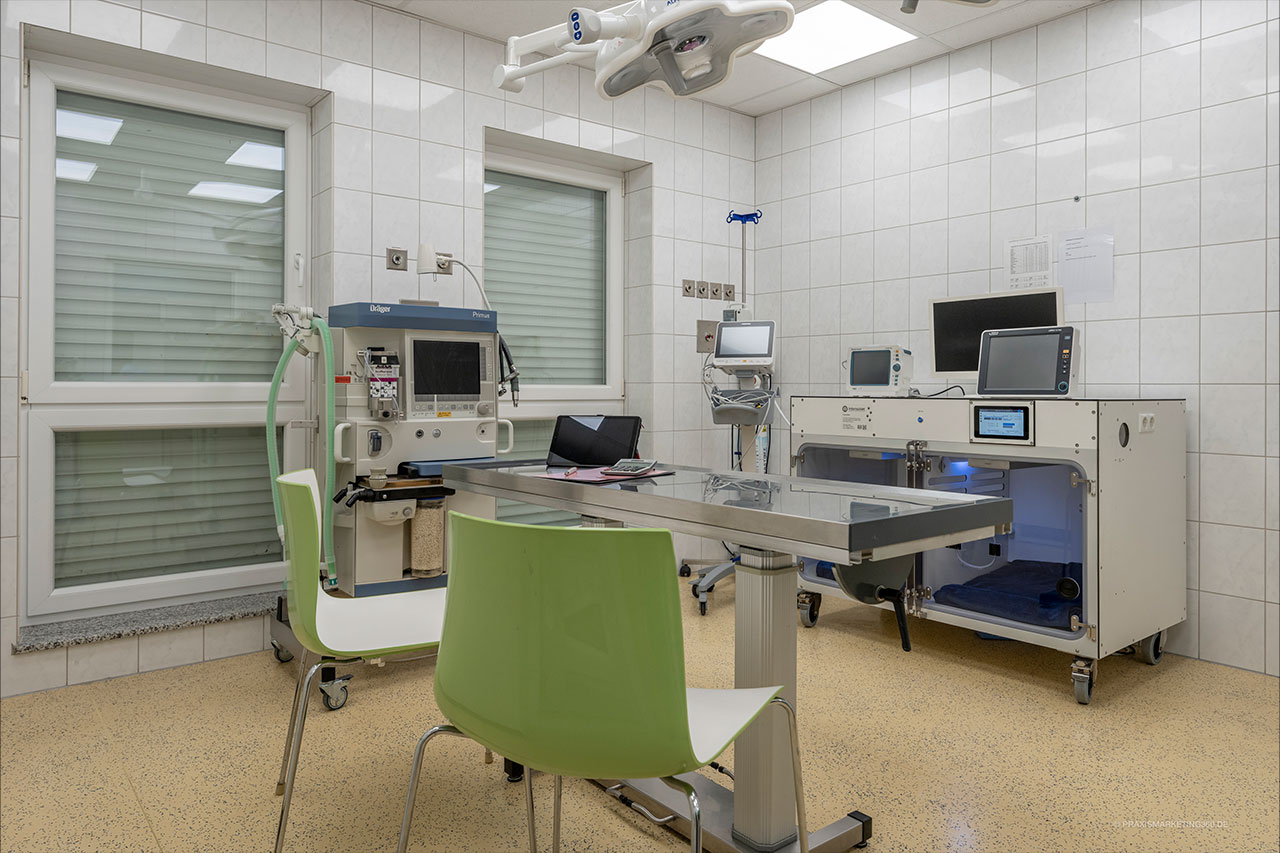
- Recovery and intensive care unit for cardiac patients
Information on referrals to the Interventional Cardiology Department
Contact

Sending Previous Medical Records

Scheduling an Appointment After Receipt of the Documents
Important Medical Notice: Acute systemic illnesses are contraindications for elective cardiac intervention, including fever, active infection, gastrointestinal disease, urinary tract infection, recent trauma. If such conditions occur prior to the scheduled procedure, the intervention must be postponed.
RA Kardiologie
Head of department of interventional cardiology
Ricardo Abrantes
Tel.: 0176 5959 1699
E-Mail: ra-kardiologie@t-online.de

In collaboration with: AniCura Alzenau
Department of Interventional Cardiology
Mömbriser Str. 100, 63755 Alzenau
Tel.: 06023 7530
E-Mail: alzenau@anicura.de